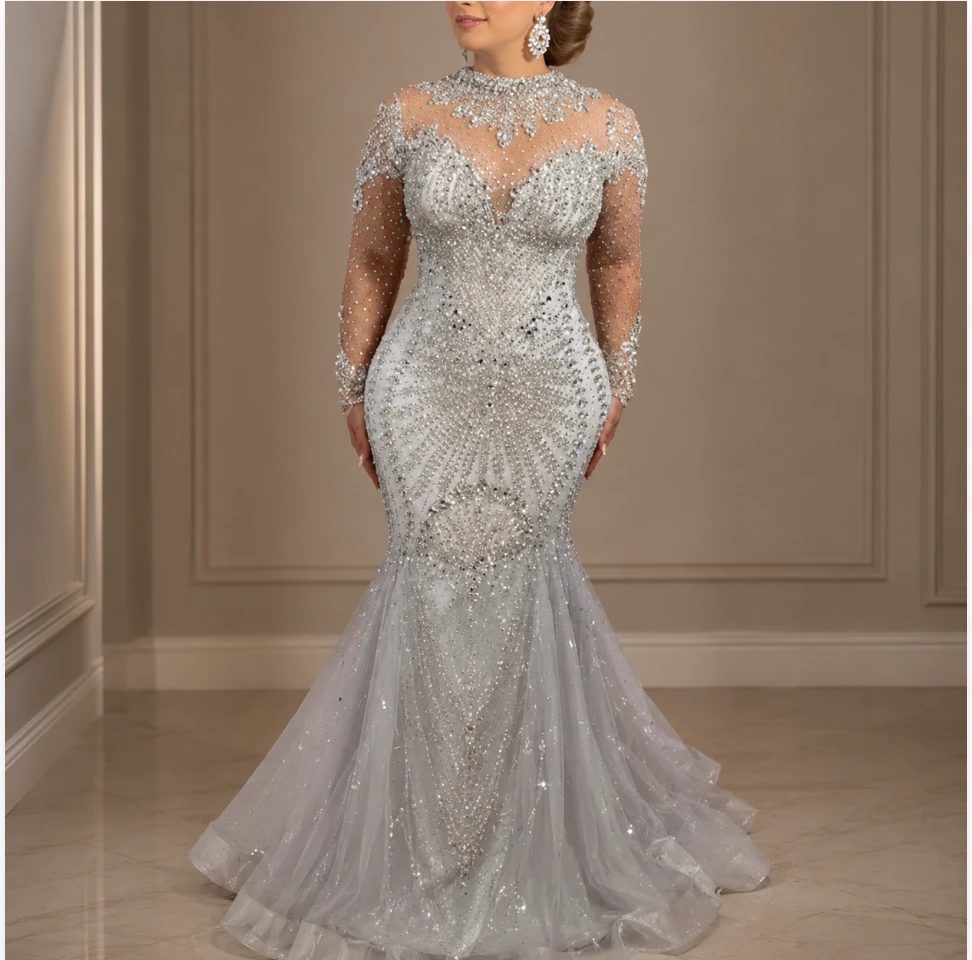
Call when the gown and event date are known
Contact the tailor after the gown arrives and you know the wedding date. Describe the garment, whether it has lace or beading, and the changes you expect. The shop can then recommend when the first fitting should happen based on current capacity.
Do not wait for shoes or accessories before making the first call. Scheduling and fitting are separate decisions.
Bring the foundation of the final look
For the fitting itself, bring the exact shoes and the bra, cups, shapewear or petticoat you intend to use. These pieces change posture, height and the position of the dress on the body.
If the shoes are unavailable, do not guess at the heel height for a complicated hem. Ask whether the bodice can be fitted first and the hem marked later.
Plan the work in the right order
Bodice and waist changes normally affect how the skirt hangs, so they should be evaluated before the final hem. A bustle is planned after the train and finished length are understood. Decoration may need to be removed and restored around altered seams.
At each fitting, walk, sit and raise your arms. Report pressure or slipping immediately; the purpose is a wearable garment, not a still photograph.
Use the final pickup as a rehearsal
Try on the complete gown and inspect every closure. Practice the bustle with the person who will help on the wedding day, or record the method if the shop permits. Confirm how the garment should be carried and stored.
A calm schedule leaves room for judgment. Rush work may be possible, but it should never be assumed.
Sources and further reading
Reporting was reviewed on August 4, 2026. Commentary and tailoring guidance are original to Salimar Fashion and Tailor.