Fabric carries information
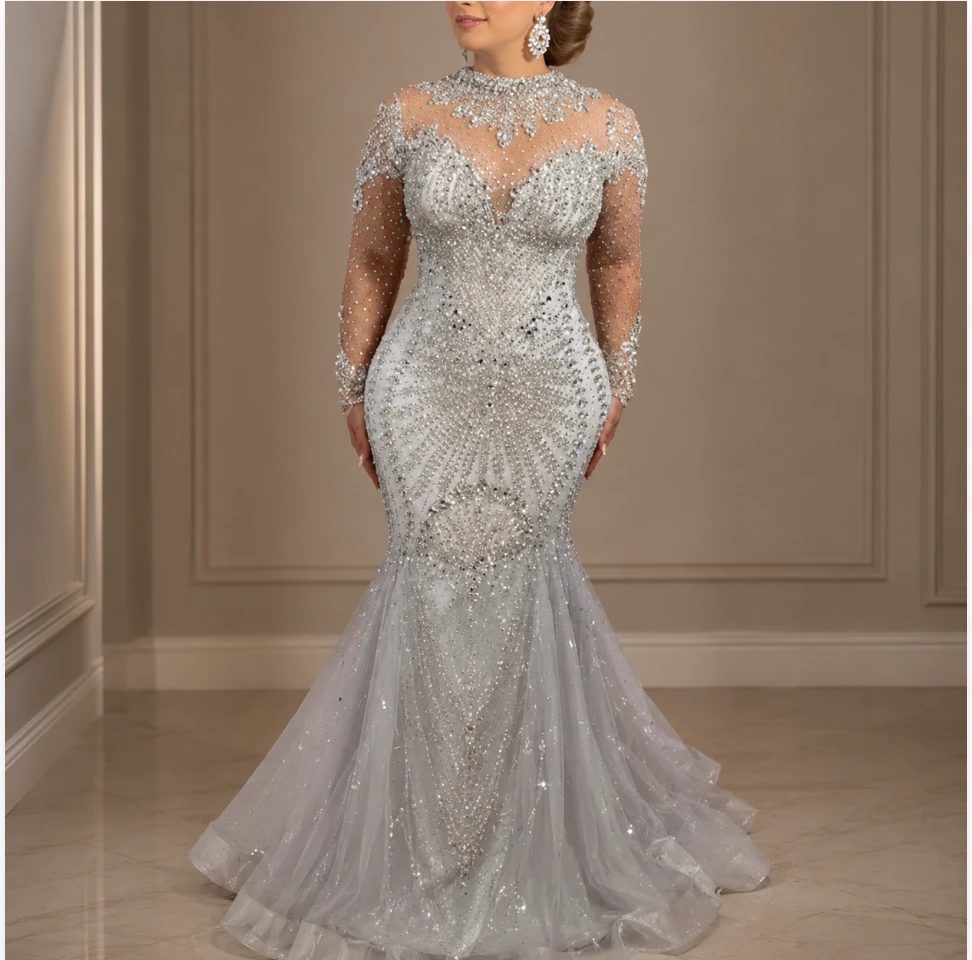
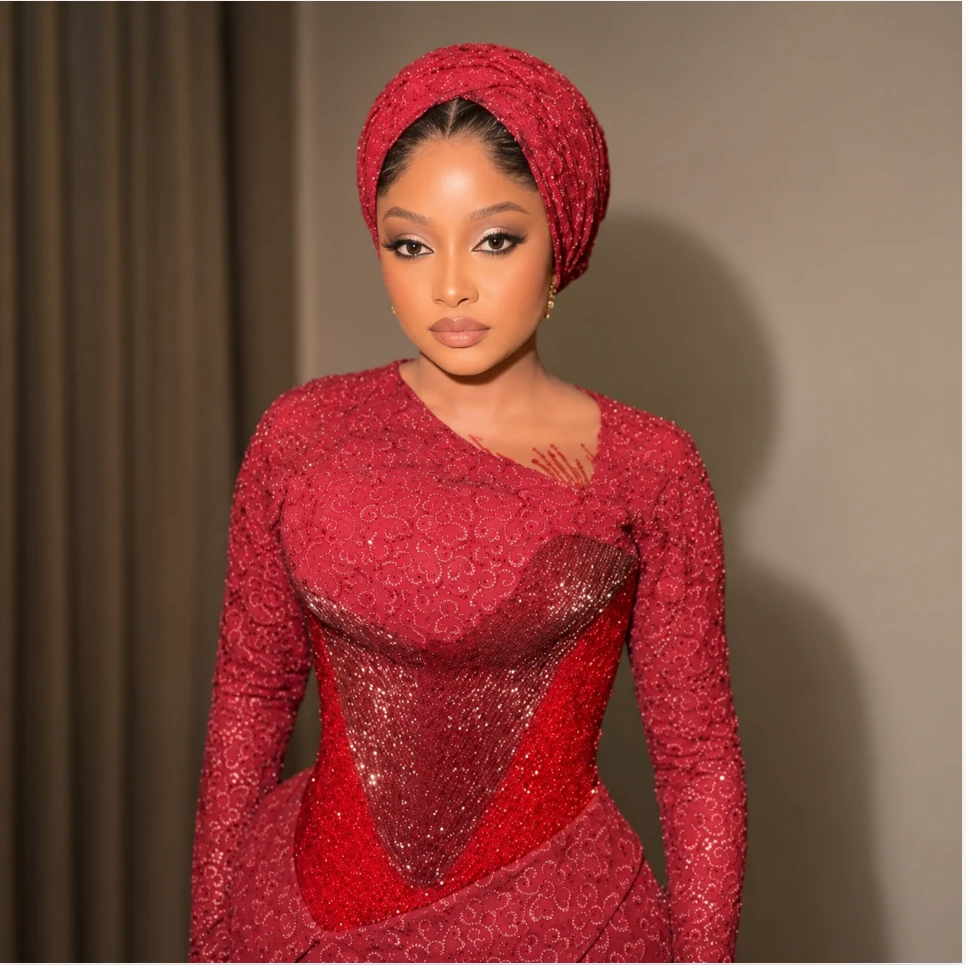
Pattern, weave, color and method of decoration may communicate region, celebration, family or personal taste. A tailor should first understand the role of the cloth before deciding where a seam can move or a motif can be cut.
Large repeats and border designs need to be placed deliberately. The layout stage can determine whether the finished garment feels balanced before any sewing begins.
Modern function can support tradition
Contemporary makers often adapt closure, lining, pocket and sleeve construction to make a garment easier to wear without discarding its visual language. UNESCO’s work on African fashion notes the continued importance of bespoke tailoring alongside traditional knowledge and new design businesses.
An adaptation succeeds when it solves a real need and remains legible to the wearer and community—not when it borrows decoration without context.
Fit should respect the intended silhouette
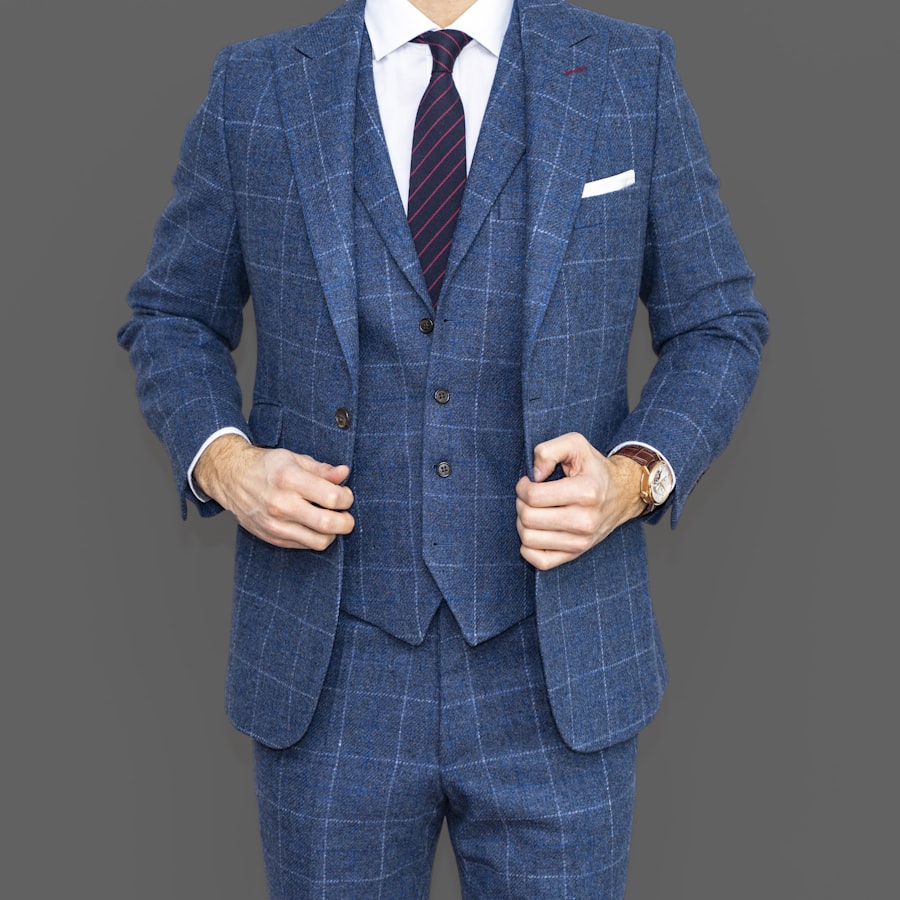
Not every garment is meant to follow the body closely. Fullness may create movement, status or a particular relationship between top and wrapper, robe or skirt. Altering traditional wear with only a Western suit standard can remove the point of the design.
Bring a reference image or existing garment that demonstrates the desired proportion. Explain how the outfit will be worn and what other pieces belong with it.
Custom work begins with conversation
Discuss the event, modesty needs, headwear, footwear and how the garment should move. Confirm whether the supplied fabric has enough length and width for the design before finalizing details.
The result should feel specific to the person, the material and the occasion. That is the value of tailoring.
Sources and further reading
Reporting was reviewed on August 4, 2026. Commentary and tailoring guidance are original to Salimar Fashion and Tailor.