A fashion week with local continuity
Fashion Week Columbus marks 17 years in 2026. Its organizers report that the program has showcased hundreds of emerging designers and created opportunities for models and fashion students since its debut in 2010.
Longevity matters. A local event becomes more useful when designers can return, audiences learn what to look for and young makers see a path from school work to public presentation.
Design is moving closer to the audience
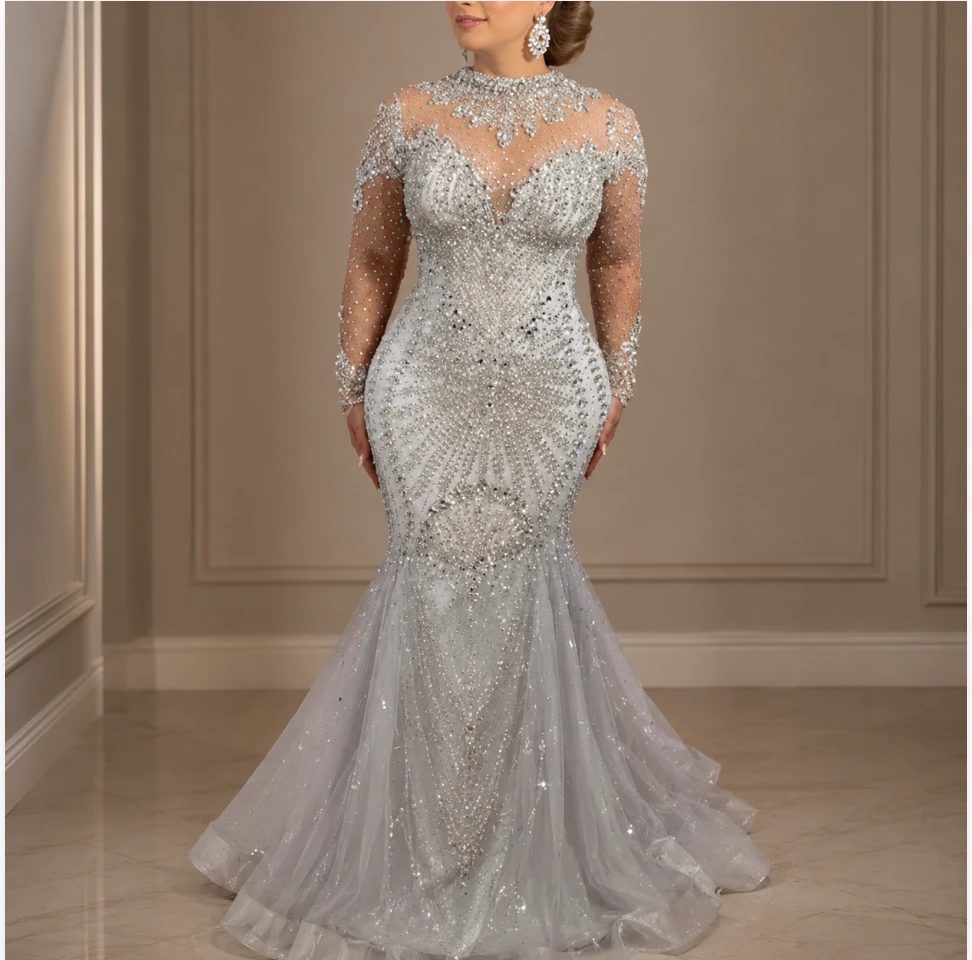
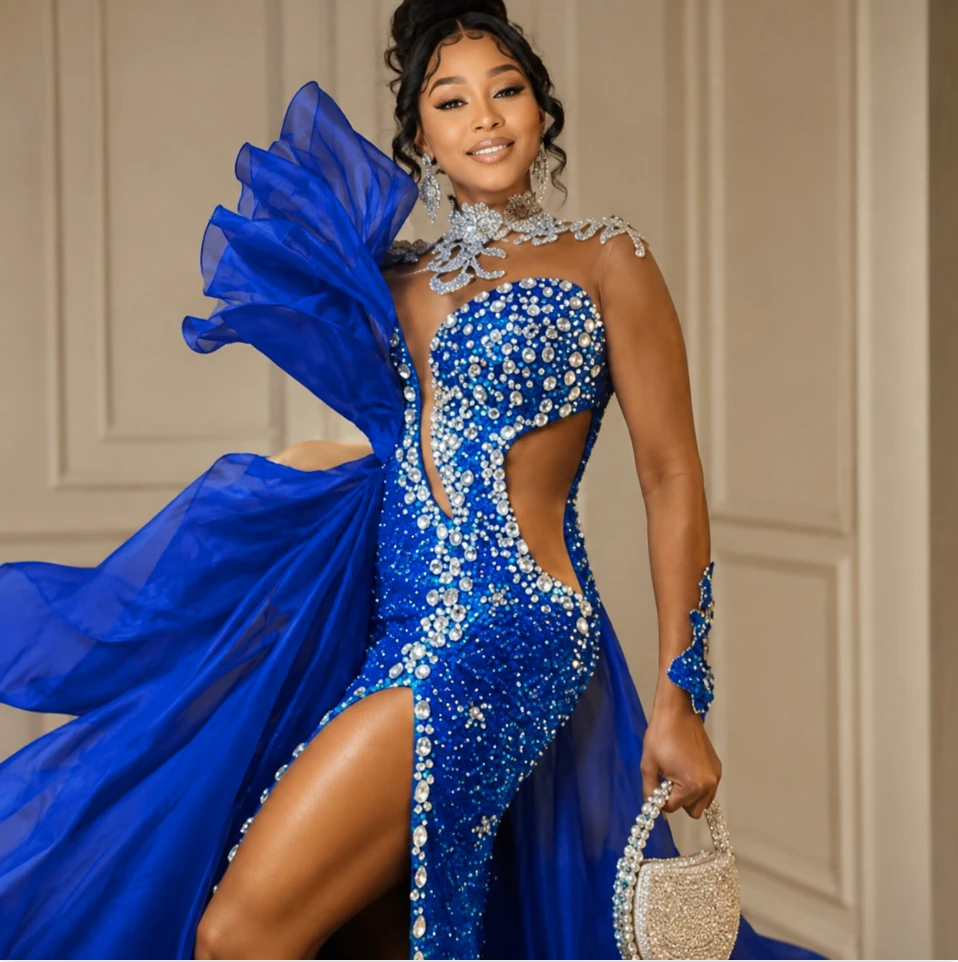
The Columbus College of Art & Design presented its 2026 fashion show as an immersive gallery experience, letting viewers encounter garments at closer range. That format emphasizes details a fast runway can hide: surface work, closures, material transitions and construction.
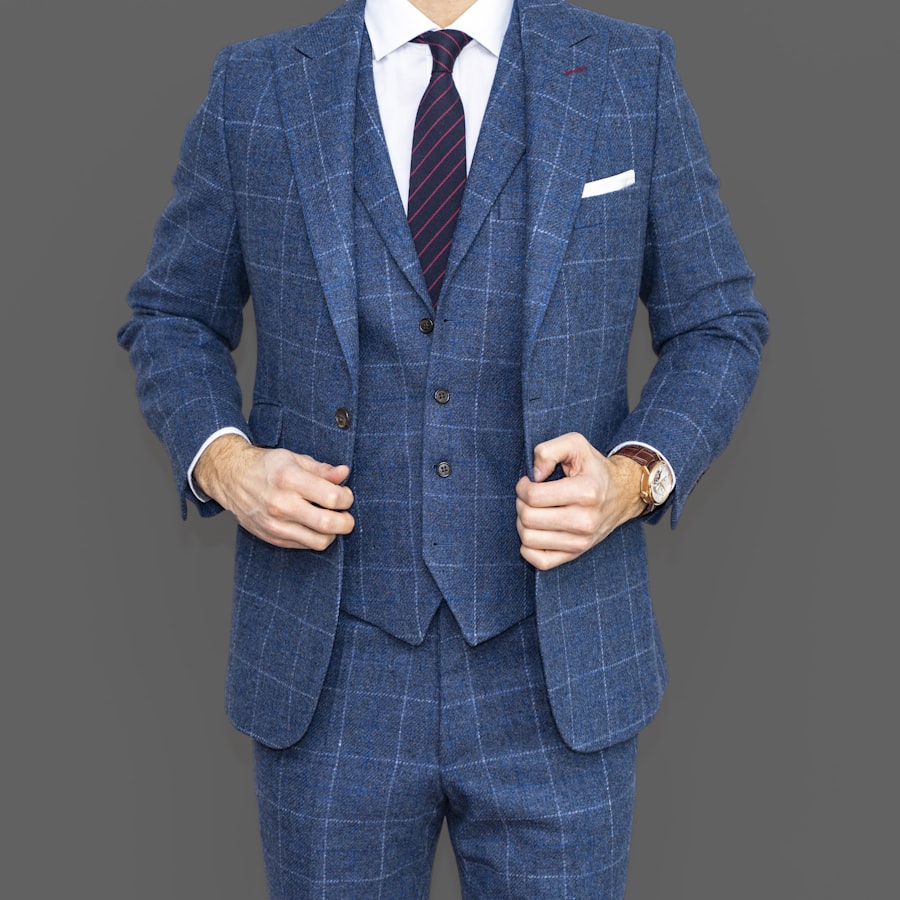
For tailoring, close viewing is natural. The inside of a hem, the match of a pattern and the finish of a seam tell the story of how the garment was made.
The role of the working tailor
Designers propose shape; pattern cutters and tailors make that shape function on a body. The same relationship appears after a customer buys a garment. The design may be strong, but sleeve length, waist position and hem must meet the individual wearer.
A healthy fashion city needs both spectacle and service: shows that create ambition, and skilled shops that keep clothing wearable.
How Columbus customers can participate
Attend local presentations, learn the names of designers, buy work that you expect to wear and budget for proper fitting. When commissioning custom clothing, bring references but remain open to the maker’s advice about fabric, proportion and construction.
Local fashion grows when design is treated as a relationship rather than a disposable image.
Sources and further reading
- Fashion Week Columbus: official program overview
- CCAD: 2026 fashion show and immersive gallery format
Reporting was reviewed on August 4, 2026. Commentary and tailoring guidance are original to Salimar Fashion and Tailor.