Start with the silhouette
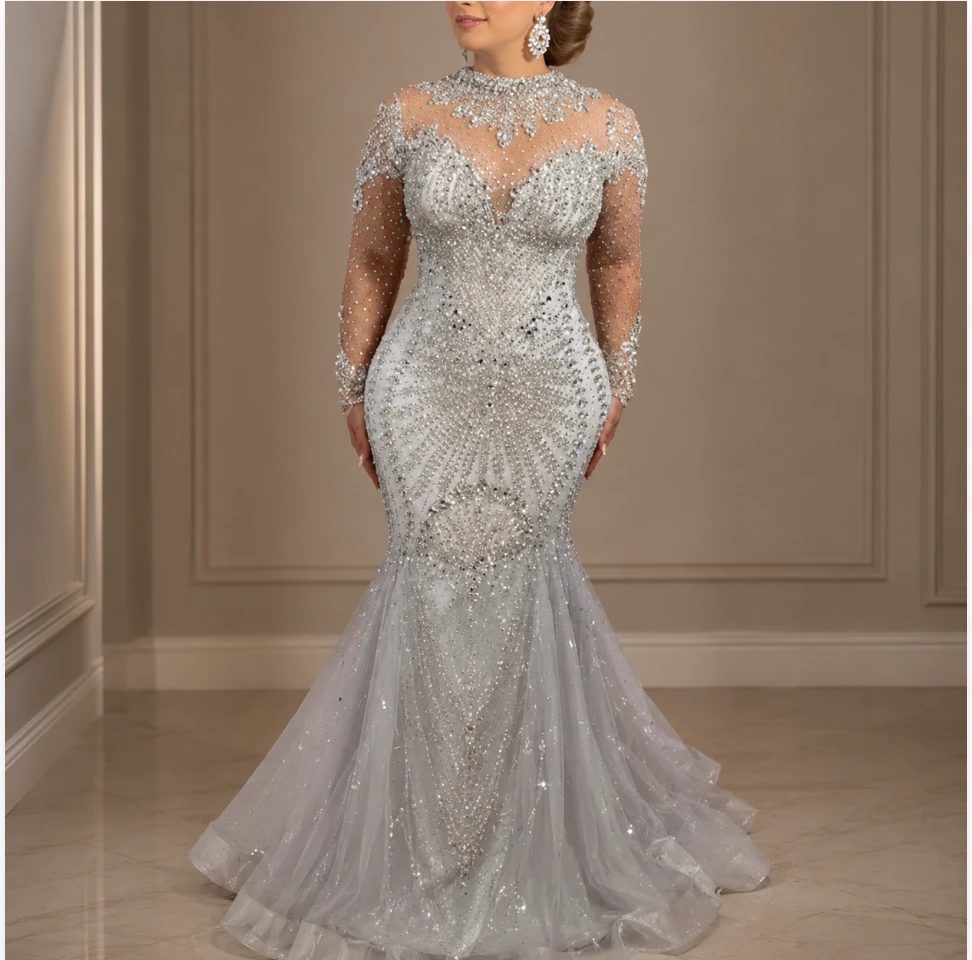
A fluid column, a shaped mermaid skirt and a full structured gown ask different things from cloth. Soft crepe can follow the body and fall cleanly; crisp organza can hold volume; satin may reveal every underlying seam depending on its weight and finish.
Choose the design direction before buying yardage. A tailor can then advise whether the fabric has the body, width and recoverability the pattern requires.
Decoration changes construction
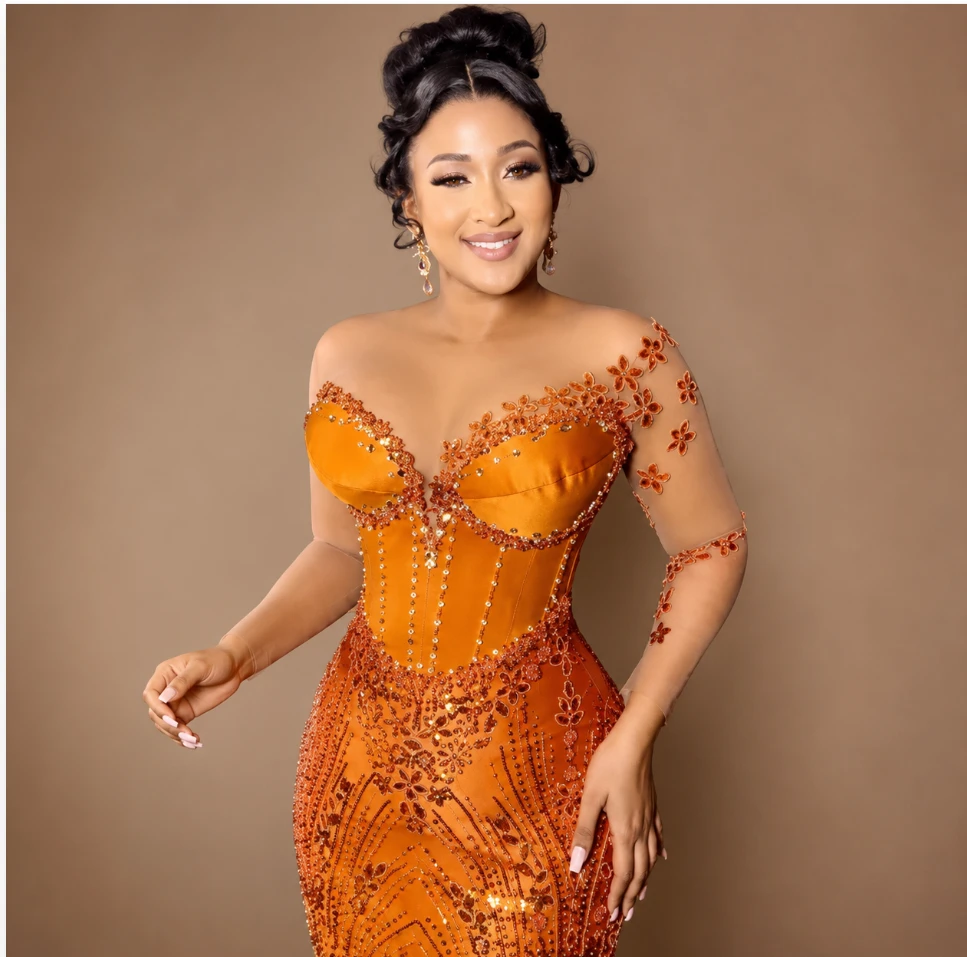
Beads, sequins and embroidery add weight. They can also restrict where a seam is placed and how an edge is finished. A heavily decorated fabric may need reinforcement, hand finishing and extra material for pattern matching.
Inspect whether decoration is stitched, glued or applied to a separate net. The answer affects alterations later.
Lining is part of the design
Lining controls opacity, comfort and color. A lace or sheer layer can change dramatically over nude, ivory, white or a strong contrast. Test the layers together under several kinds of light.
For a close-fitting gown, the lining may need stretch compatible with the outer fabric. Otherwise the layers will fight each other when the wearer moves.
Buy with a plan, not a guess
Fabric width, directional pattern, nap and motif repeat all affect required yardage. Do not rely on a generic chart for an embellished or asymmetrical design.
Bring the fabric to the consultation before cutting. Once a border or motif is divided, the design options may become much narrower.
Sources and further reading
Reporting was reviewed on August 4, 2026. Commentary and tailoring guidance are original to Salimar Fashion and Tailor.